
When to check the brake system
Extraneous sounds, changes in pedal travel, increased braking distance or an indicator on the dashboard are reasons to apply for diagnostics.
- Braking distance has increased
- The car pulls to the side during braking
- Pedal pulsates, became soft or too tight
- Squeak, squeal, fluid leak or ABS/ESP indicator
Brake Maintenance and Repair in Tallinn
The braking system is a key vehicle safety element responsible for stopping efficiency and road stability. Any defects directly increase accident risks and require immediate diagnostics.
When to Contact a Service Center
- Unusual noises during braking appear;
- Brake pedal feel or travel changes;
- Stopping distance increases;
- Vehicle loses stability during braking;
- Brake system warning light is lit;
- Suspected brake fluid leak.
Main Symptoms of Brake Failure
- Increased stopping distance;
- Vehicle pulling to one side when braking;
- Pedal vibration or pulsation;
- Soft, spongy, or excessively stiff pedal;
- Squealing, screeching, or grinding sounds when braking;
- Drop in brake fluid level;
- Brake fluid leaks;
- Uneven pad wear;
- Overheating brake discs or drums;
- Reduced handbrake efficiency;
- Illuminated ABS/ESP light.
Main System Faults
- Wear of brake pads and discs;
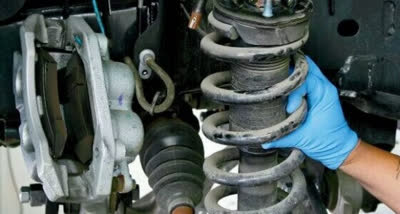
- Seized calipers and pistons;
- Brake fluid leaks;
- Air in the hydraulic system;
- Corrosion on lines and hoses;
- Disc warping and overheating;
- ABS and electronic system faults;
- Imbalanced braking force across axles.
Causes of Failure
- Natural component wear;
- Aggressive city driving;
- Corrosion from road salts and moisture;
- Overheating followed by rapid cooling of discs;
- System contamination;
- Overdue maintenance;
- Aged brake fluid losing its properties.
What Maintenance and Repair Includes
- Brake system and ABS diagnostics;
- Brake pad and disc replacement;
- Caliper repair and servicing;
- Brake fluid replacement;
- Brake cylinder repair and replacement;
- Hose and line replacement;
- Parking brake adjustment and repair;
- Brake system bleeding (air removal);
- Cleaning and lubricating components;
- System leak testing.
Diagnostics Includes
- Checking pad and disc thickness;
- Evaluating wear uniformity;
- Checking calipers and guide pins;
- Testing pressure and sealing;
- ABS and sensor diagnostics;
- Analyzing brake fluid condition.
Maintenance Schedule
- Regular condition check every 10,000–15,000 km;
- Brake fluid inspection approximately every 2 years;
- Replacing worn components as needed;
- Mandatory diagnostics upon appearance of any symptoms.
The braking system requires regular inspection and timely service. Most defects develop gradually, so early diagnostics helps avoid major breakdowns and maintains stable, safe vehicle operation.